Mental Health Practice Services — In Relation
Therapy



Approaches
We understand people not in isolation, but in relation to the many influences that shape their lives.
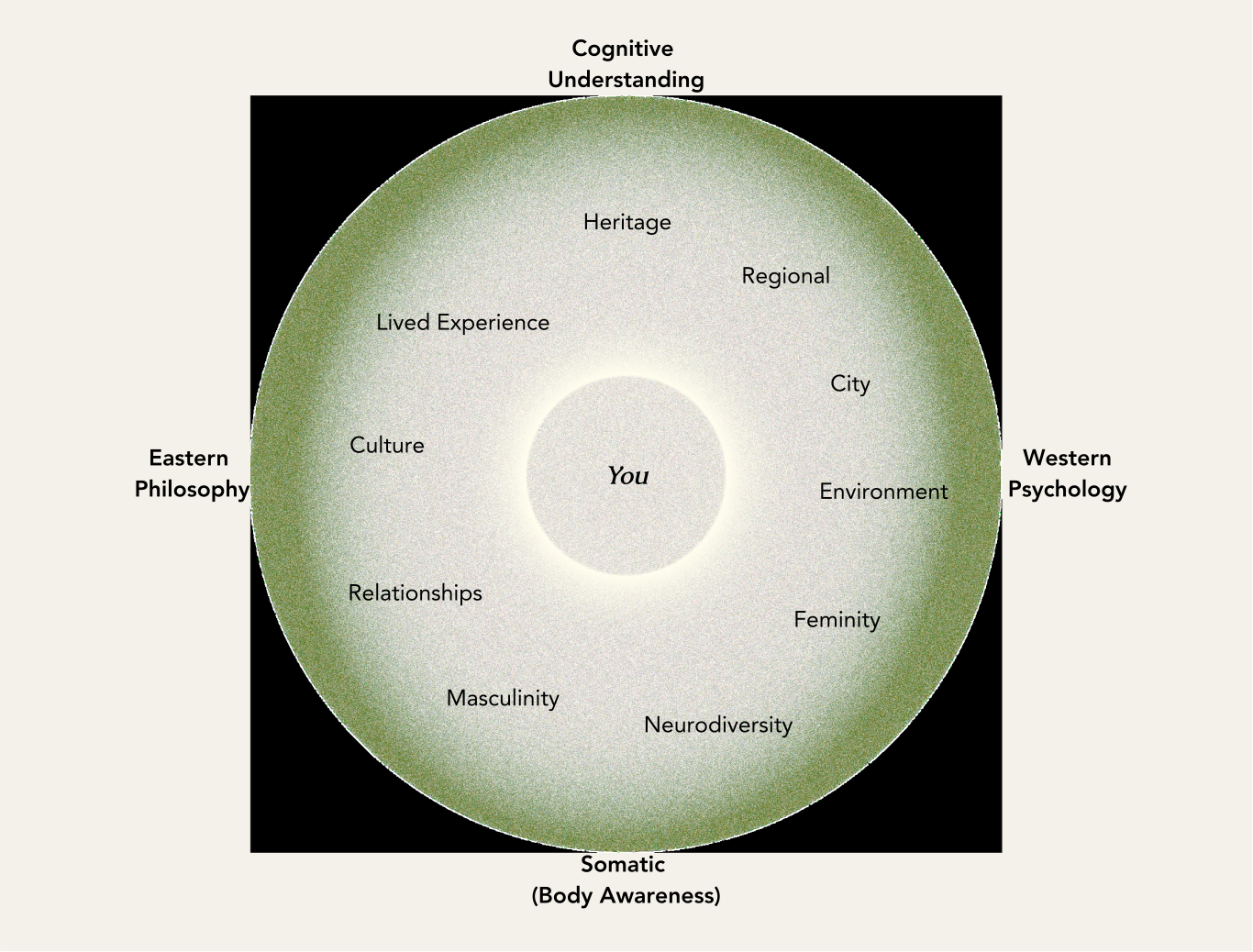
Modalities
Our clinicians draw from a range of therapeutic modalities, integrating them with care and clinical judgement around the person in front of us. We specialise in cultivating therapeutic relationships grounded in trust and understanding.
Frequently Asked Questions
You can begin by booking a free 20-minute introductory call. This gives you an opportunity to ask initial questions, share what you are looking for, and get a feel for whether In Relation is the right fit.
If you already feel ready, you can also book your first session here!
Your first session is a gentle opportunity for us to begin getting to know you. We will start by talking through confidentiality and its limits, then explore what has brought you to therapy, learn more about your history and background, clarify what you hope to gain from the process, and discuss the next steps together.
Prefer to watch instead? This short video walks you through what to expect in your first session.
No. You do not need a referral to see our clinicians. You can book directly when you're ready to begin!
We currently offer online sessions only. Sessions are held via secure video call, allowing you to attend from a private and comfortable space. We are working toward establishing a physical practice space for future in-person sessions.
Weekly or fortnightly sessions are often recommended at the beginning. Regular sessions help build rapport with your therapist, create momentum, and give the work enough continuity to become meaningful.
As therapy progresses and you feel more steady, sessions may naturally become less frequent. The pace can always be reviewed with your therapist based on your needs, goals, and circumstances.
There is no fixed number of sessions that suits everyone. Therapy depends on what you are hoping to work through, the depth of the concerns, and the kind of change you are seeking.
Some people attend therapy for a short period to focus on a specific issue. Others choose longer-term work to better understand recurring patterns, strengthen emotional capacity, and consolidate change over time.
Therapy is like building muscle. One session can be useful, but lasting emotional strength is usually developed through steady practice, reflection, and support over time.
You may attend consistently for a period of time, pause when you feel more steady, and return later if new challenges arise. Ending therapy does not mean the door is closed.
You and your therapist can review your progress along the way and decide together when it feels right to continue, slow down, pause, or finish.
Medicare and private health rebates are not currently available, but we are working towards making rebate options available in the future. For now, session fees are paid out-of-pocket.
Wondering about the difference between a psychotherapist and a psychologist? This resource may help.
We require at least 24 hours' notice for cancellations or rescheduling. If you cancel with less than 24 hours' notice, or do not attend your session, the full session fee will apply.